How to Play A Thousand Cloys
Active bursts, idle gains, and efficiency as the real win condition on Kalahari.
The big picture
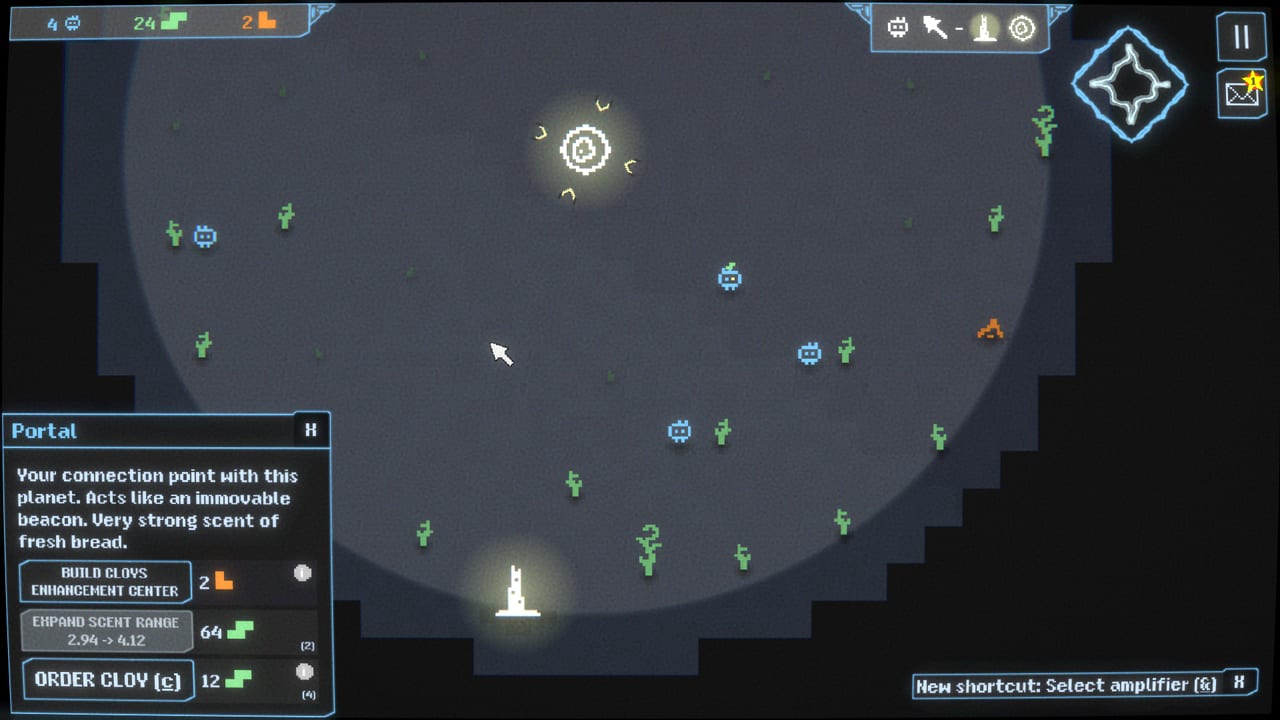
A Thousand Cloys asks you to cleanse planet Kalahari of Klein radiation for Cloys Inc. using toaster workers, beacons, world-found upgrades, and session payouts. Developer 3-50 (Grhyll) designed a steady incremental: numbers stay readable, the map matters as much as the menus, and you can play in focused bursts or leave Cloys humming while you idle. Full release is on Steam (November 23, 2026, App ID 3861740, about $7.99), single-player Windows, English and French UI, estimated 15–25 hours.
If you have not opened the portal yet, start with Getting Started. This page explains how the loop wants to be played — mindset, active versus idle, corporate framing, and what “winning” means when there is no PvP ladder.
Corporate framing is the tutorial voice
You are not a silent void-clicker avatar. Living Resources and Cloys Inc. mail set tone: you are family now, the best toaster company in the universe trusts you with a processed planet, and efficiency makes management happy. That framing is mechanical as well as funny. Session endings, outpost investments, and “restart stronger” language all echo workplace KPIs — except the KPI is radiation cleanup and harvest throughput.
Play along with the tone. When the game celebrates a clean payout or a freshly studied anomaly, that is feedback that your systems are aligned. When fog still owns half the map and Cloys stand idle outside scent range, the corporate smile is a hint to fix coverage, not to buy ten more workers blindly.
The core loop in plain language
- Harvest resources that physically sit on Kalahari.
- Import / order Cloys so automated toasters mine and haul.
- Expand beacons to push Klein fog and widen scent range.
- Build amplifiers, Enhancement Centre upgrades, and other structures.
- Explore for upgrade-tree nodes, Climb regenerators, monoliths, and oddities.
- End the session when the payout is worth banking.
- Upgrade permanent outposts, then restart with a stronger baseline.
Every sibling guide deepens one slice: Cloys & Resources, Exploration Guide, Upgrade Tree, Prestige & Sessions.
Active play versus idle play
Official store copy is clear: the game is essentially active, although leaving it idle lets resources accumulate. That means:
- Active — retarget Cloys, place or move beacons (including Alpha beacon decisions), claim structures, click for personal power where upgrades allow, and chase fog edges.
- Idle — let an already-configured swarm gather while you step away; return to spend, explore, and correct bottlenecks.
Best results mix both. Spend five focused minutes unlocking range and Enhancement Centre stats, then idle while Climb crystals regenerate and Cloys fill storage. Come back for another active push into fog. Pure AFK without ever expanding coverage stalls; pure click frenzy without trusting automation burns attention for little gain.
Session goals beat vague “progress”
Before each session, pick one primary goal:
- Open a new fog region and secure a beacon foothold.
- Fund a specific Enhancement Centre upgrade (heat power or speed).
- Reach and unlock a visible upgrade-tree node.
- Build or upgrade an amplifier / support structure.
- Bank a payout large enough for a meaningful outpost permanent.
Secondary goals can ride along, but one primary goal prevents shopping-list paralysis. When the primary goal is done and the payout meter looks healthy, ending the session is a skill, not a retreat. Details on timing live in Prestige & Sessions.
Win conditions are efficiency, not a boss HP bar
There is no arena ladder. “Winning” a stretch of play means:
- Cloys spend more time working than walking into fog walls.
- Beacon scent matches your workforce size.
- You discovered at least one new permanent lever (tree node, structure, outpost upgrade).
- Numbers stayed understandable — you can explain why income rose.
Chasing opaque multipliers without map context fights the design. The talent tree physically exists in the world; exploration is progression. If you feel stuck, open the Exploration Guide before grinding the same patch of dirt.
Read the UI like a systems engineer
Hover everything. Demo feedback and creator videos show players missing free or cheap unlocks that tooltips already described. Watch heat power versus node toughness, carry capacity versus trip length, and beacon radius versus Cloy count. Use focus / behavior shortcuts so the swarm prioritizes the job you care about this minute (Controls).
Keep Steam tags in mind as a design promise: Incremental, Exploration, Simulation, Resource Management, Automation, Idler, Colony Sim, Casual, Funny, Minimalist. If a plan feels sweaty or unreadable, simplify — that is on-brand.
Practical hour-one play pattern
- Finish portal onboarding; note outpost and order UI.
- Order a modest Cloy batch; assign nearby harvestables.
- Expand beacon range until workers stop bumping fog.
- Secure Enhancement Centre path; bump heat power early.
- Sweep for Climb regenerators and any glowing upgrade nodes.
- Build amplifier support when the site is safe and funded.
- Idle briefly, then cash a clean payout into permanents.
Repeat with a slightly higher baseline. That is the whole game’s heartbeat.
Comfort, streaming, and hardware notes
Confirm System Requirements on modest PCs — this is a chill Windows Steam title, not a ray-traced showcase. If you upload footage, the press kit warns that music arrangements can false-strike on YouTube; set music volume to zero for safety. Community hubs are listed on Links. Patch history sits under Updates.
Where to go next
- Still learning the first portal hour? Getting Started.
- Swarm feel weak? Cloys & Resources.
- Map feel closed? Exploration Guide.
- Money burning a hole? Upgrade Tree and Prestige & Sessions.
Play for readable efficiency. Let the toasters work. End sessions on purpose. That is how you play A Thousand Cloys.
Frequently Asked Questions
Quick answers to the most common questions.
Is A Thousand Cloys an idle game or an active clicker?
Both. It is essentially active—you place beacons, direct Cloys, and explore—but idling still accumulates resources. Mix short active pushes with idle gathering for the best pace.
What counts as winning a session?
Efficiency. Expand coverage, unlock a meaningful upgrade or structure, keep Cloys productive, then end for a payout that funds permanent outposts. There is no multiplayer scoreboard.
Do I need to watch the corporate emails?
Yes in spirit. Living Resources and Cloys Inc. framing teach that cleanup, exploration, and smart restarts are the job. The tone also flags when your systems are healthy.
How long is a typical playthrough?
About 15–25 hours for the full Steam release. The demo alone is roughly 1–2 hours of the beginning and transfers into the full game.
What should I read after this page?
Open Cloys & Resources if workers feel weak, Exploration Guide if fog blocks you, or Prestige & Sessions when you are ready to cash outruns on purpose.